







Emergency food has a bit of an image problem.
It often sounds like something stored in a bunker, eaten under flickering torchlight, while someone mutters, “I told you we should have bought more batteries.”
But emergency food does not have to be dramatic. It does not have to mean panic-buying tins or chewing through high-energy bars that taste like compressed cardboard and disappointment.
Sometimes emergency food simply means having a few decent meals in the cupboard, vehicle, lodge, aircraft, farm store or camp box for the moment when normal plans stop behaving.
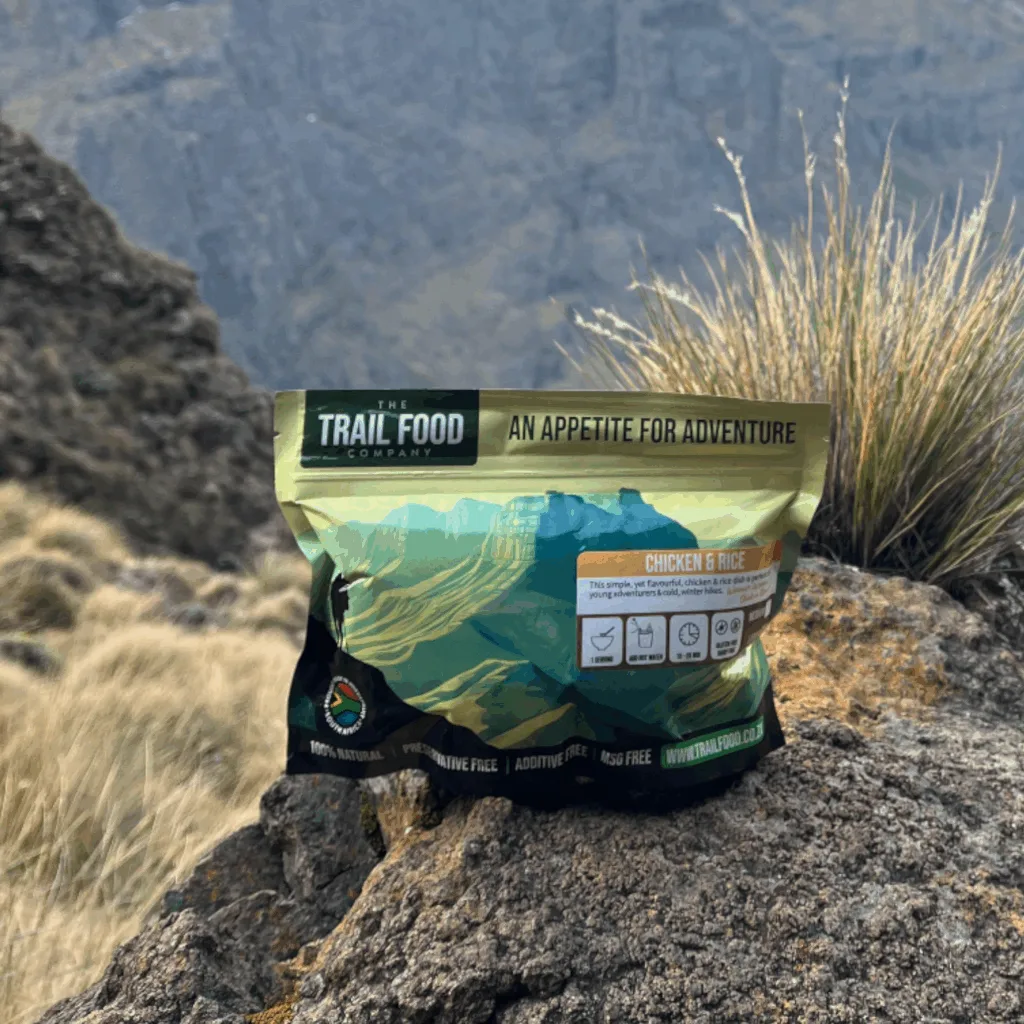
That is where Trail Food comes in.
Our meals are lightweight, shelf-stable and easy to prepare. They are useful for travel delays, remote areas, bad weather, load shedding, road closures, unexpected guests, tired families, those moments when everyone is standing in the kitchen looking at you and asking, “So… what’s the plan?”, and yes, even the occasional end-of-the-world enquiry.
Prepared Does Not Mean Paranoid
In South Africa, backup planning is not exactly a fringe concept.
Power cuts happen. Water interruptions happen. Roads flood. Fridges fail. Shops are far away. Guests arrive hungry. Someone forgets to defrost supper. Again.
A few shelf-stable meals in the cupboard, vehicle, lodge storeroom or camp box can make life much easier when things go sideways.
This is not about building a bunker under the pantry.
It is about having a proper meal available when you need one.
Backup Meals for Load Shedding
Load shedding has taught many South Africans that supper plans can collapse very quickly.
The oven is off. The microwave is decorative. The fridge is being opened and closed by people who have apparently never seen food before. The takeaway app is groaning under the weight of national despair.
Trail Food can help.
Keep a few meals with your load-shedding supplies, add a small gas stove or camping kettle, and you have a simple backup supper that does not rely on fridge space or electricity.
Most Trail Food meals are best prepared with hot water, so you will still need a way to boil water. But once you can do that, you can make a proper meal.
This is deeply comforting when the lights are out and the household has started circling the snack cupboard like hyenas.
Emergency Food for Farms, Lodges and Remote Properties
Remote properties often need backup food more than urban homes do.
If you run a farm, lodge, campsite, conservation base or remote guest property, you may have staff, guests or family on site when supplies are delayed. Roads can flood. Vehicles can break down. Deliveries can arrive late. Guests can arrive hungry.
A box of Trail Food meals can provide a simple backup option.
They take up little space, do not need refrigeration, and can be stored until needed. They are not there to replace normal catering. They are there for the day normal catering gets ambushed by reality.
Useful places to keep Trail Food include:
- farm stores
- remote lodges
- safari camps
- staff kitchens
- guide vehicles
- campsite stores
- guest emergency packs
Simple. Practical. Much better than offering someone half a packet of stale rusks and a brave smile.
Vehicle Emergency Food and Remote Travel
Trail Food is also useful as vehicle emergency food.
If you travel long distances, cross borders, drive through remote regions, or regularly visit national parks and rural areas, it is worth keeping a few meals in the vehicle.
They come in handy when you arrive late at camp, miss a shopping stop, take longer than expected on a road, or realise that “restaurant nearby” was a wildly optimistic phrase.
They are also excellent for children who have reached the dangerous stage of becoming snackless.
It is the kind of thing you hope you will not need, but feel extremely smug about when you do.
The Preppers Found Us Too
Trail Food has also attracted interest from people thinking about longer-term preparedness.
Trish once met an Austrian couple in Namibia who were very serious about emergency food. They explained that if Austria “went dark”, they believed things could unravel quickly. They had hundreds of high-energy bars stored at home.
The problem?
The bars apparently tasted like cardboard.
This is where Trail Food offers something different. It is still practical and shelf-stable, but it tastes like real food. That matters. In a stressful situation, morale is not a luxury.
A hot meal can calm everyone down, even if the world outside is being ridiculous.
Trail Food has also been contacted by a church organisation looking to stock up for the end of the world. That particular order did not materialise, but it is always nice to know one is on someone’s apocalypse shopping list.
Aircraft Emergency Food Packs
Trail Food was also approached to look at creating an emergency pack for small aeroplanes.
This makes sense. Small aircraft often operate in remote areas, especially in conservation, farming, tourism, charter, medical and safari environments. In the case of an emergency landing, weather delay or unexpected overnight stop, compact food can be extremely useful.
For aircraft, every gram and centimetre matters. Any emergency food pack would need to be designed carefully around weight, space, shelf life, water availability, packaging and safety requirements.
Trail Food’s lightweight, shelf-stable format makes it a strong candidate for this kind of planning.
Food Aid, Relief and Everyday Care
Trail Food has also been approached by someone looking for meals to send to refugees.
Dehydrated meals can be useful in relief situations because they are lightweight and easy to transport. Of course, any food aid situation needs careful thought. People need access to clean water, safe preparation methods, and food that suits their dietary and cultural needs.
Emergency food is not always about disasters, either. Sometimes it is about everyday care.
One customer bought Trail Food meals to send to her elderly grandmother, who lived alone and was not cooking or eating properly.
For someone who struggles to cook from scratch, a simple meal in the cupboard can help. Trail Food meals are not intended to replace a varied fresh diet, but they can be a helpful backup option for elderly relatives, people recovering from illness, or anyone who needs an easy meal on low-energy days.
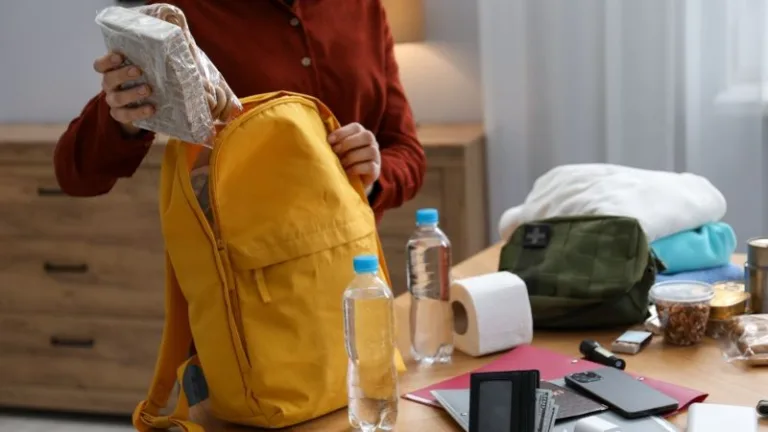
What to Keep in an Emergency Food Box
A simple emergency food box does not need to be complicated.
You could include a few main meals, one or two bulk meals, some hummus or babaganoush for quick lunches, dried fruit for breakfasts or snacks, filter coffee for morale, and a small stove or kettle option.
Add matches or a lighter, enough drinking water, and a note to check expiry dates now and then.
The goal is not to build a bunker.
The goal is to make life easier when plans fall apart.
Final Thought: Sensible, Not Scary
There is nothing strange about keeping backup food.
It is simply practical.
Whether you are dealing with load shedding, long-distance travel, remote work, elderly care, storms, rural roads, aircraft planning or a slightly overexcited apocalypse prediction, having good food ready can make a stressful moment much easier.
Trail Food is light, compact, shelf-stable and easy to prepare.
Most importantly, it tastes like food you would actually choose to eat.
Which is helpful, because if the world is being difficult, supper should not be.
Oh yes, and don’t forget the loo roll!!!