
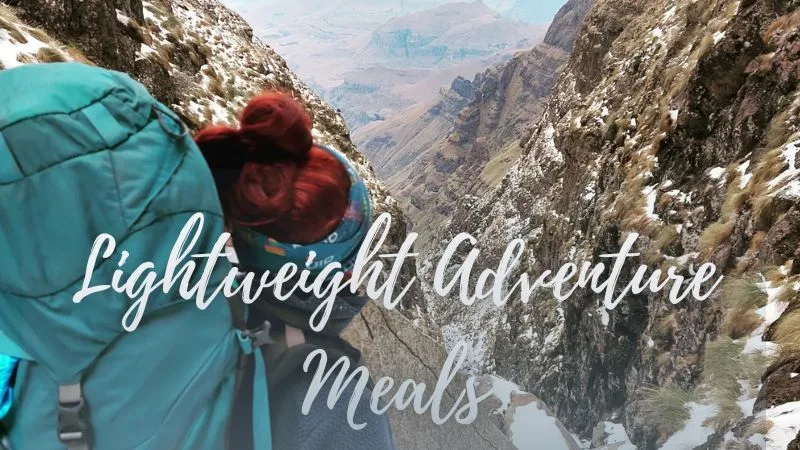


Lightweight Meals for Bikepacking, Kayaking, Motorbike Trips and Sailing

Some adventures come with plenty of packing space.

Others come with a bicycle frame, a kayak hatch, a motorbike pannier or a yacht cupboard where every centimetre has already been claimed by something important.

When space is limited, food needs to work hard. It must be light, compact, practical and worth carrying. It must not squash, leak, spoil, demand refrigeration or require half a kitchen to prepare.

It must also taste good, because nobody wants to end a big adventure day eating something that feels like punishment.

This is where Trail Food fits beautifully.

Although our meals are often associated with hiking, they are just as useful for bikepacking, cycling tours, kayaking, canoe trips, off-road motorbike travel, sailing and other lightweight adventure travel.

If your transport method has limited space and your appetite has no such limitation, this article is for you.

trail food adventure meals

Why Lightweight Adventures Need Better Food

Lightweight trips are wonderful because they give you freedom.

They are also slightly unforgiving.

On a 4×4 trip, you may be able to pack half your kitchen. On a bicycle, kayak or motorbike, every item must justify its place. Tins are heavy, fresh produce is awkward, and anything that leaks will immediately become everyone’s problem.

Trail Food meals are designed for exactly this sort of travel: compact, shelf-stable, easy to pack and quick to prepare when you reach camp, shore, roadside or cabin.

In other words, small pack, proper supper.

Bikepacking and Cycle Touring Food

Cyclists have a very specific food problem.

They need enough energy to keep going, but they cannot carry a pantry. Food stops are also not always reliable, especially on remote routes.

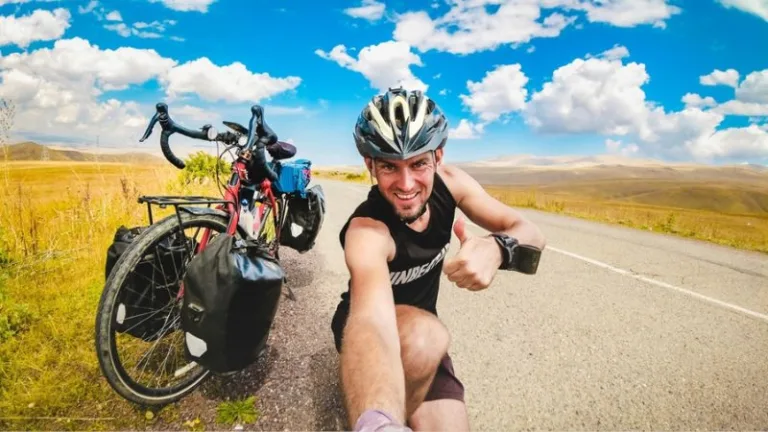
Trail Food came up in a memorable way in the Kgalagadi. A man in a Jimney with a touring bike on the back spotted the Trail Food branding on Trish’s vehicle and came over to ask about it. He had recently cycled around Lesotho and said he had struggled to find decent food along the way.

His next plan was to cycle down South America.

That is exactly the sort of journey where lightweight, shelf-stable meals make sense. On a long cycling trip, a reliable meal can be the difference between ending the day well and ending it sadly beside a petrol-station pie.

After a long day in the saddle, a hot meal that only needs water is a very welcome thing.

Possibly even a spiritual experience, depending on the hill.

trail food on touring bike

Motorbike Camping and Off-Road Travel

Trail Food has also been used by off-road motorcycle enthusiasts.

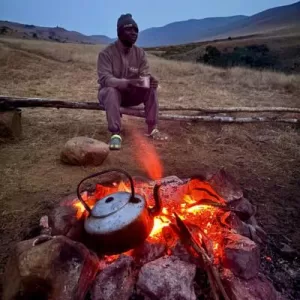
Adventure motorbike travel often involves long distances, limited packing space and remote routes. Riders may camp in places where shops are far away, restaurants are non-existent and cooking facilities are basic.

Motorbike travellers need food that fits into panniers, survives rough roads and does not require refrigeration.

When you have spent the day on tracks, sand, wind, heat and possibly your own life choices, supper should not be complicated.

Trail Food can sit quietly in a pannier until needed, which is exactly the sort of behaviour one wants from food.

Food for Kayaking, Canoeing and River Trips

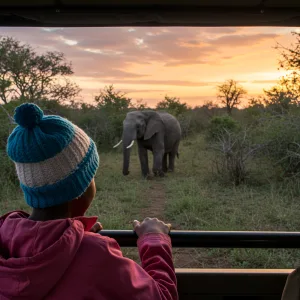
Trail Food has also been down the Zambezi on a kayaking trip.

River trips are a perfect example of adventure food needing to be compact and practical. Space is limited, gear may get wet, and cooking can be awkward. Fresh food can bruise, spoil or become a soggy tragedy.

Dehydrated meals work well for paddling trips because they pack small and are simple to prepare at camp.

After a day on the water, people are usually tired, sun-baked, hungry and not in the mood for complicated cooking.

Add hot water. Wait. Eat. Become pleasant again.

elephants-zambezi-trail-food

Sailing and Yacht Provisioning

Trail Food has sailed the seven seas, with boats being restocked in Cape Town on round-the-world trips.

For sailing, food planning matters. Storage space is limited, refrigeration may be restricted, and weather can delay plans. Fresh food is wonderful, but it does not last forever. A few dehydrated meals can provide backup when supplies run low or cooking conditions are difficult.

A boat pantry needs options that are compact, reliable and easy to prepare.

Trail Food meals can sit in storage until needed, which makes them a useful addition to long-distance sailing supplies, yacht provisioning, coastal cruising and emergency boat food.

They also have the advantage of not rolling dramatically across the galley like a rogue tomato.

Expedition and International Adventure Travel

Trail Food has travelled far beyond Southern Africa.

It has gone to the Dolomites, Patagonia and the Galapagos Islands. It has also gone into the jungles of Southeast Asia with master tracker Lee Gutteridge while tracking the Saola, one of the rarest animals on Earth.

For international adventure travel, familiar food can be surprisingly helpful. When you are dealing with flights, remote transfers, language barriers, limited shops or uncertain accommodation, a few lightweight meals in your bag can reduce stress.

The further you travel from easy resupply, the more valuable a reliable meal becomes.

Especially one that does not require mime, negotiation or a brave attempt at ordering dinner in a language you last practised on Duolingo in 2021. (My personal recollection of this was Chicken Giblet Soup ordered in Northern Mozambique in 2003. I knew that ‘pollo’ was chicken. We had to actually place a napkin over it so that everyone else could eat their supper.)

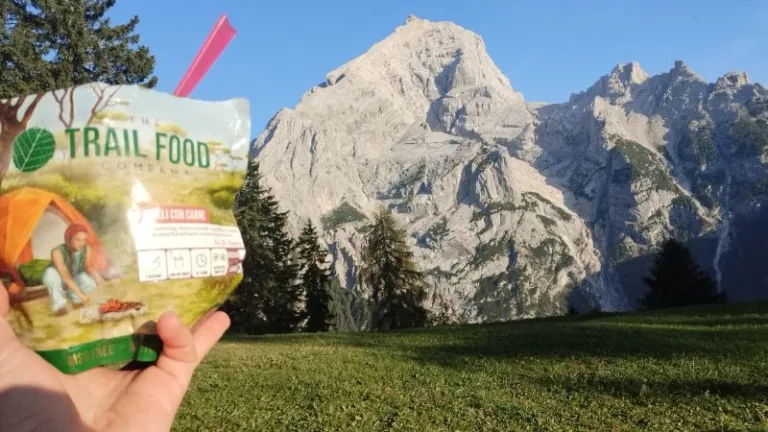
trail food in the dolomites
Trail Food in the Dolomites, Italy

What to Pack for Lightweight Trips

How much Trail Food you pack depends on the trip.

For a short outing, one or two backup meals may be enough. For a longer expedition, plan proper meals per person, plus a few quick lunches or breakfast extras.

A simple lightweight food kit could include:

  • main meals for supper
  • hummus or babaganoush for quick lunches
  • dried fruit for breakfast or snacks
  • filter coffee for morale
  • meals that suit any dietary needs in the group

For cycling and motorbike trips, keep meals where they are easy to reach at the end of the day. For kayaking, protect them in a dry bag or sealed container. For sailing, rotate stock so your backup meals stay fresh and ready.

And for high-energy activities like cycling and paddling, remember: people who have spent six hours moving under their own steam do not want a symbolic supper.

They want food.

Final Thought: Small Pack, Big Supper

Lightweight travel does not mean you have to eat badly.

Whether you are cycling through Lesotho, kayaking down the Zambezi, riding off-road into remote places, sailing into Cape Town or heading off on an international expedition, Trail Food gives you a practical meal option that packs small and works hard.

Because adventure should be light.

Supper should still be satisfying.

And once again…no great adventure should ever start hungry!

trailfood
FUEL FOR YOUR ADVENTURES
I'm ready to hike
All our hiking meals are healthy, lightweight, and convenient. 
We’ve done all the planning so that you can simply hike!
Ultimate Hiking Guides
Adventure Insights
Featured Products