The Olifants

Looking for a wild Kruger experience that won’t drain your wallet?
The Olifants Backpack Trail is one of the most affordable ways to explore Big Five country on foot. This guided, self-sufficient wilderness hike lets you swap lodges for riverbeds, and crowds for silence—just you, your backpack, and the untamed bush.
With no fixed camps, no facilities, and no set route, every step is a new adventure. It’s a raw, off-grid experience perfect for those who crave connection with nature—and don’t mind carrying it all on their back.
The Ultimate Guide to The Olifants Backpack Trail
Why Should You Choose The Olifants
If you’re after a wild and off-the-grid hiking experience in Kruger, the Olifants Backpack Trail delivers in every way. This guided, self-supported adventure takes you into one of the Kruger National Park’s remote wilderness areas, where you’ll walk through landscapes rich with wildlife.
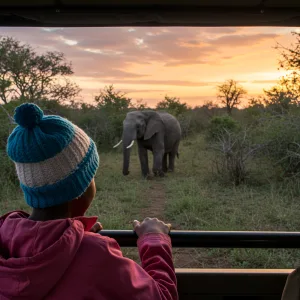
Expect days filled with birdsong, the crunch of dry earth underfoot, and maybe even the distant call of a lion echoing through the bush.
The Olifants Trail is ideal for:
- Explorers looking for an unfiltered, immersive wilderness journey
- Avid birders—this region teems with Kruger’s iconic and lesser-seen species
- Nature lovers wanting to unplug and reconnect with the rhythms of the wild
- Hikers who prefer roughing it – no huts, no frills, just pure bush living
Things To Look Out For On The Olifants
- Wildlife
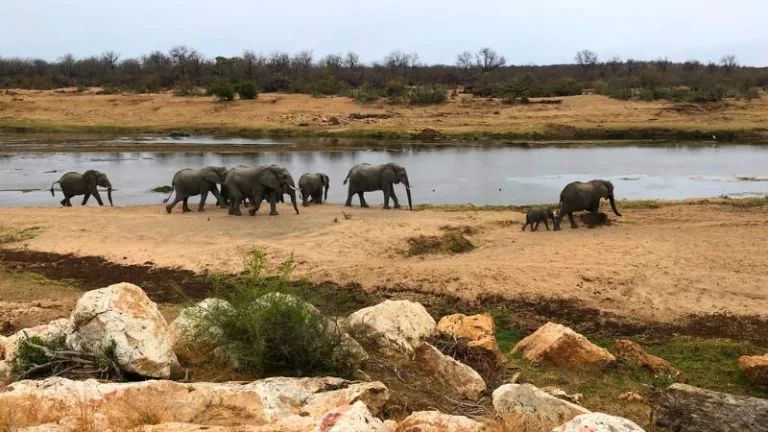
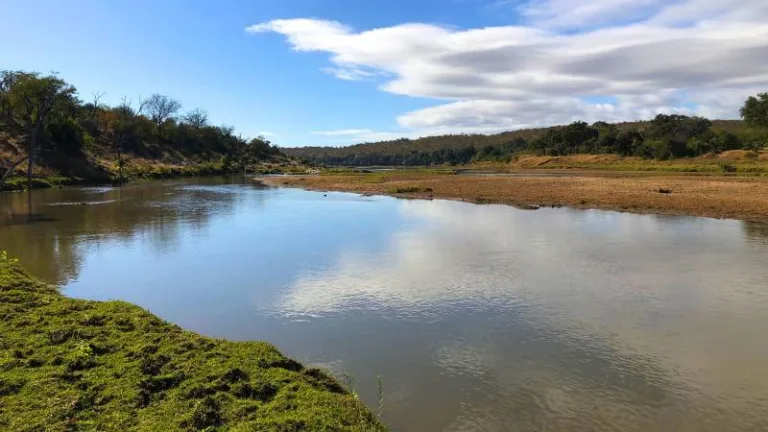
- The Olifants region is renowned for its wildlife diversity due to the permanent water of the Olifants River and mixed vegetation zones with the Olifants River being a hotspot for large elephant herds, especially during the dry season.
- Crocodiles & Hippos can also be seen regularly along river sections—sometimes from camp, and certainly during the hike.
- Birdwatching Highlights
- This area is exceptional for birders, thanks to riverine, woodland, and open bushveld habitats.
- Fish eagles & Saddle-billed storks
- White-fronted bee-eaters nesting in riverbanks
- Various species of kingfishers
- Natural Beauty
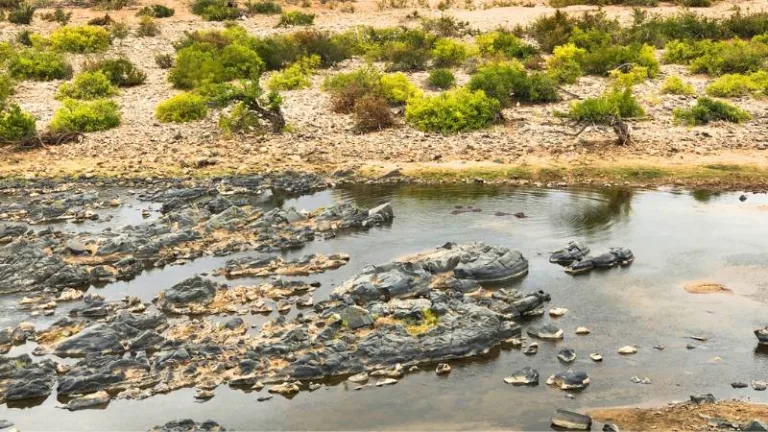
- This area is one of the most visually dramatic areas in Kruger. The trail moves through the wild terrain along or near the river, offering dramatic views, wide sandy channels, and fertile riverine forest.
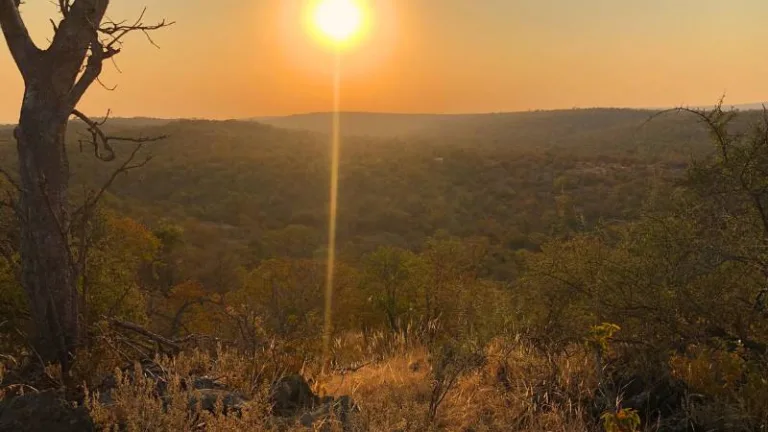
- And your sunsets over the river are especially magical when camped near a bend in the Olifants, with silhouetted baobabs and distant calls of hyenas or lions.
When To Hike the Olifants
Firstly, be aware that Kruger Park’s three backpack trails, including The Olifants Backpack Trail, only operate from 1 February – 30 November.
The best time to hike the trail is between May and August. You’re (hopefully) looking at cooler temperatures, lower humidity, and less chance of encountering high water levels!
Temperatures can still exceed 28°C in winter, so be prepared for heat even in the cooler months.
About The Olifants Trail
For an unforgettable adventure in Big 5 territory, the Olifants Backpack Trail is one of the best ways to experience the Kruger National Park like never before. Are you ready to swap the safari crowds for raw wilderness and roaring lions?
Here’s all the essential information you need to know for The Kruger National Park’s Olifants Backpack Trail.
4 days, 3 nights.
Distance covered varies depending on the group, water availability and the guides’ decisions (usually between 30km and 40km in total).
Moderate: The terrain is mostly flat but can be physically demanding due to heat and carrying a full pack.
Moderate fitness is needed.
You must be able to carry your own backpack for the duration of the hike.
Minimum age: 12 years old.
Maximum age: No official limit, but you must be physically capable. If you are over 65 years of age then you will be asked to supply a letter from a doctor specifying that you are capable of the hike.
Self-carry: You must bring all your own food, water purification, and camping gear.
Need lightweight, just-add-water meals? The Trail Food Co has a full range of hearty hiking-ready options – browse the menu here.
No slackpacking options are available.
Maximum group size: 8 people
Minimum group size: 4 people (individuals can book, but the hike will only go ahead if at least four participants are confirmed)
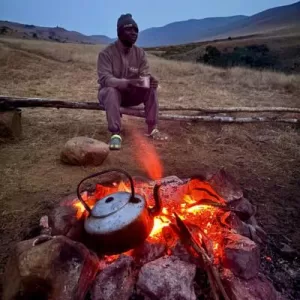
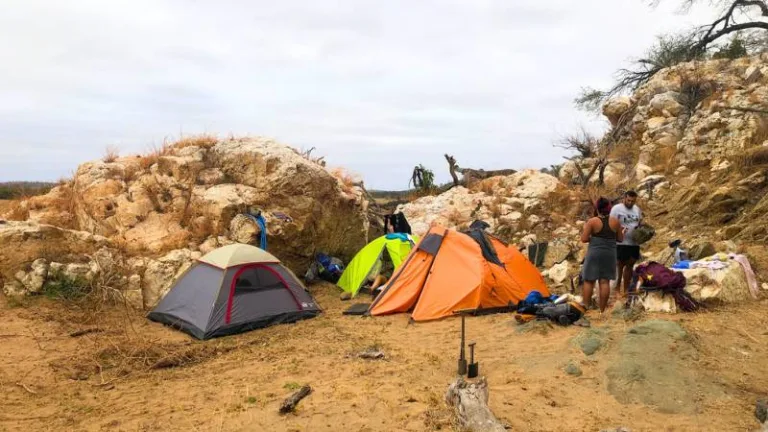
Wild camping with no huts or facilities.
Tents are compulsory due to the presence of predators.
You will camp in dry riverbeds or other selected locations chosen by the guides.
You will need to bring a water purifier and even drops potentially
Water will be taken either from the closest river or you might need to dig in the riverbed for water. *See Top Tips
None. The trail follows a strict “leave no trace” policy.
No toilets – hikers must follow bush etiquette (e.g., cat-hole method).
Departure days: Every Wednesday and Sunday from 1 February to 30 November
No cellphone reception – a true digital detox.
The Olifants Route & What to Expect
The Route:
- The trail starts from Kruger National Park’s Olifants Camp.
- Vehicles can be left safely at the designated parking area in Olifants Camp.
- The group will be transported by an open vehicle with a trailer to a drop-off point.
- There is no set route, allowing guides to adapt based on wildlife movements and water sources.
- The hiking pace and distance are determined by the group and agreed upon with the guides.
Expect:
- No fixed campsites – each night’s stop is determined by the guides.
- Encounters with wildlife on foot – an exhilarating but humbling experience.
- Small fires – but not for cooking. That’s why The Trail Food Company’s cook-in bags are so handy.
- Night-time sounds of the African bush – from lion roars to the grunts of hippos.
- A true wilderness experience, completely isolated from other tourists.
Current Cost To Hike The Olifants Trail (2025)
There are three primary costs involved in a Kruger Backpack Trail.
The Activity charge: As of 2025 this is R4018 per person.
A Conservation Fee per person per day (rate depends on your nationality and age).*
A Community Fund Fee of 1% will be added to the cost of all accommodation and activity reservations.
*If you have a valid Wild Card then this fee is not applicable.
Other Expenses:
Budget for accommodation before and after your Olifants Trail adventure, as well as the costs of getting to and from Kruger Park.
Olifants offers a variety of accommodation options to suit all budgets.
How To Book To Hike The Olifants Backpack Trail
Call: +27 (0)12 428 9111
The SanParks Central Reservations Call Centre is open Monday to Friday from 07:30 AM to 3:45 PM
Book online: https://www.sanparks.org/reservations/overnight-activity
Email: reservations@sanparks.org
Early booking is essential as spots are limited.
Getting To The Olifants Trail
- The closest Airport is
- Hoedspruit (Eastgate) Airport (which has daily flights to and from Johannesburg, Cape Town and Durban)
- Drive
- You will need to then drive or arrange a transfer to Olifants camp.
- Nearest Kruger Gate
- The closest entrance gate to Olifants Rest Camp in Kruger National Park is the Phalaborwa Gate.
- Driving time once you are inside the park will be 1.5 to 2 hours depending on game sightings and road conditions.
- The most direct route is usually via the H9 tar road to Letaba Camp, then south on the H1-5 to Olifants.
- Speeding Restrictions
- Bear in mind that the roads in Kruger have speed limits of 50 km/h on tar and 40 km/h on gravel, and wildlife sightings can cause unexpected delays—though those are the best kind of delays! So give yourself ample time to get to the starting point.
- Meeting point:
- Olifants Rest Camp at 13:00 on the day of departure.
- Do not be late – the open vehicle transporting you to your drop off point leaves at 2pm sharp.
- Trail Start and End
- Hikers are transported to and from Olifants Camp at the start and end of the trail.
About Olifants Rest Camp
Since you are going to head this way, we’ve highlighted one of our favourite things about Olifants camp – which is its incredible elevated position providing panoramic views of the river below – perfect for spotting elephants, hippos, crocs, and more without even needing to move. And after 4 days of hiking this might be exactly what you want!
Binoculars are a must—you can often spot game movements across the vast floodplains at sunrise and sunset.
What To Pack for the Olifants
It can be overwhelming to figure out what should stay and what should go when you’re trying to pack for any hike. Take a look our super handy tips on what to pack for your next trail!
How To Pack for a Backpack Trail
You’ll want to pack as light and as compact as possible.
It is typically advised that you pack your hiking food so that you eat the heaviest (and fresh) items first to make space in your backpack and decrease the weight you have to carry. But with Trail Food, you don’t have to worry about your hiking meals taking up too much space or weight!
Here are some expert pointers on how to pack your backpack if you’re feeling slightly uncertain about what should go where.
Don't Forget To...
We understand that hiking in a Big 5 area can be a scary thought. But don’t worry, your guides are well-trained. So…
- Listen to your guides – they ensure safety in big game territory.
- Respect nature – follow the “leave no trace” principle.
- Check weather conditions before your trip.
FAQs
Here are some of the most frequently asked questions about hiking in Big 5 territory.
Wildlife encounters are always possible, but experienced guides are trained to ensure your safety.
No, a minimum group of four is required.
There are, of course, risks associated with all trails. However, if you are with a qualified and experienced guide, then although you can never say that it is categorically not dangerous, the skill, training and experience of your guides will go a long way to mitigating these dangers.
This is a key factor as to why it takes so long to become a qualified trails guide – they need to know what they are doing, how to assess situations, understand animal behaviour, and learn how to handle a rifle.
Listen to your guide. Be sensible. And embrace and enjoy the experience!
No, but guides carry emergency radios.
The guides have radios to call for assistance if needed.
If you’re going in the depths of winter maybe take a tiny tipple just to warm you up – but you definitely don’t want to be carrying cans and bottles. Remember it’s important to be safe for yourself, the other hikers and the guides.
Kruger closes its backpack trails over the peak rainy season – which is malaria season. However if you are concerned then speak to a local doctor about reasonable precautions.
Top Tips
I have 2 water filters, a small hand held MSR one and then a larger hanging one that enables you to filter larger volumes of water. On a number of occasions hiking not everyone has a filter so I have found that it is useful for me to bring the larger one to help others out.
Bring a treat to share: A bar of chocolate or something like that to share with the group on one of the nights. It’s a nice way to get the group chatting and a nice, sweet treat for everyone.
Don’t forget to tip your guides. Lead guide should usually get around R150 per person per night and back up guide should get about R100 per person per night. SANParks Rangers don’t get paid a lot so every bit of appreciation makes a difference.
Anything Else?
For an unforgettable wilderness adventure, the Olifants Backpack Trail is one of the best ways to experience the Kruger National Park like never before. Are you ready to trade the crowds for the call of the wild?
Plus, with your supply of Trail Food conveniently and lightly packed in your backpack, you’ll have no worries about whether you’ve packed enough or too many hiking meals. Have fun on your adventure!
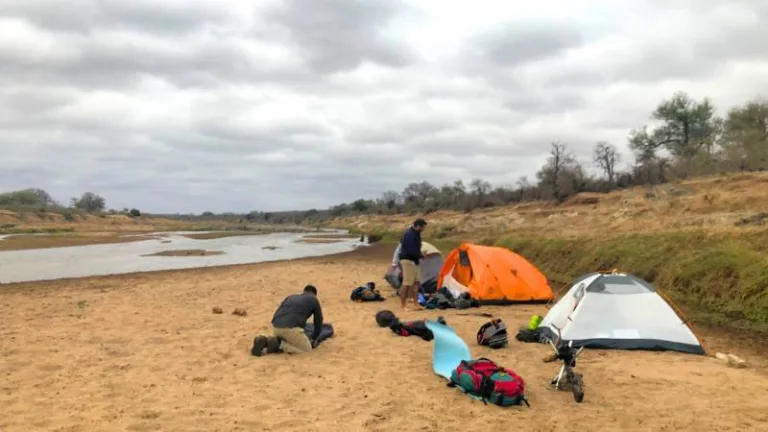
A big thank you to Paul Slyer from PAW Safaris for his images.
If you have an epic hike or trail to share, or if there are any corrections or updates that you would like to suggest to this trail guide, please email

FUEL FOR YOUR ADVENTURES
I'm ready to hike
All our hiking meals are healthy, lightweight, and convenient.
We’ve done all the planning so that you can simply hike!
Ultimate Hiking Guides


Adventure Insights


Featured Products
“Change a life” has been added to your basket. View basket
-
 Main Meals
North African Couscous with Lamb
R75.00 – R170.00Price range: R75.00 through R170.00 Select options This product has multiple variants. The options may be chosen on the product page -
 Main Meals
Hiker’s Bobotie
R75.00 – R165.00Price range: R75.00 through R165.00 Select options This product has multiple variants. The options may be chosen on the product page -

-