Q: How long have you been a guide?
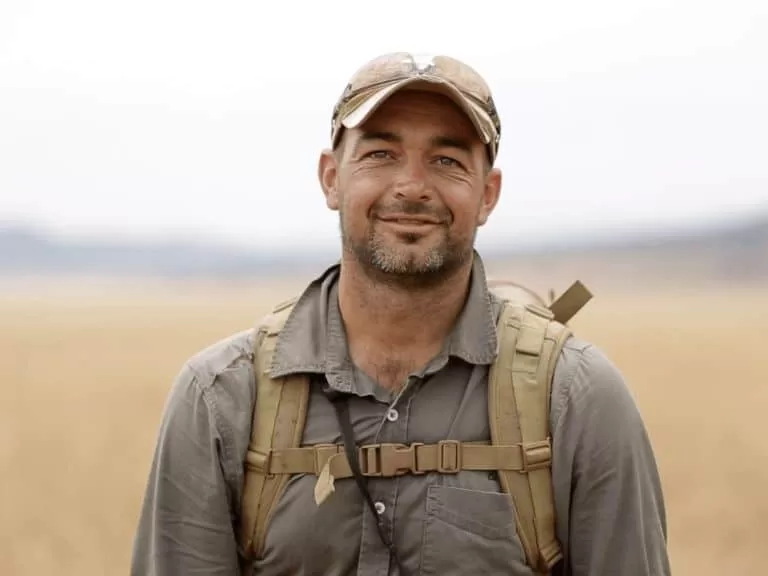
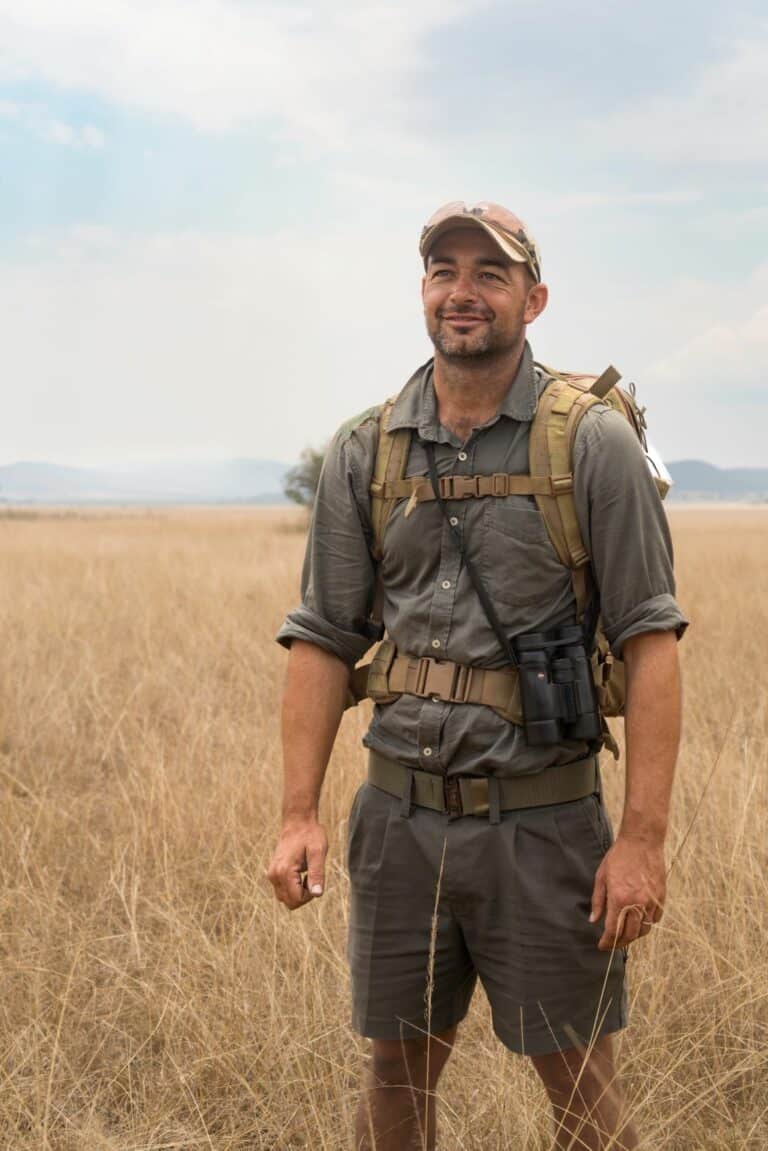
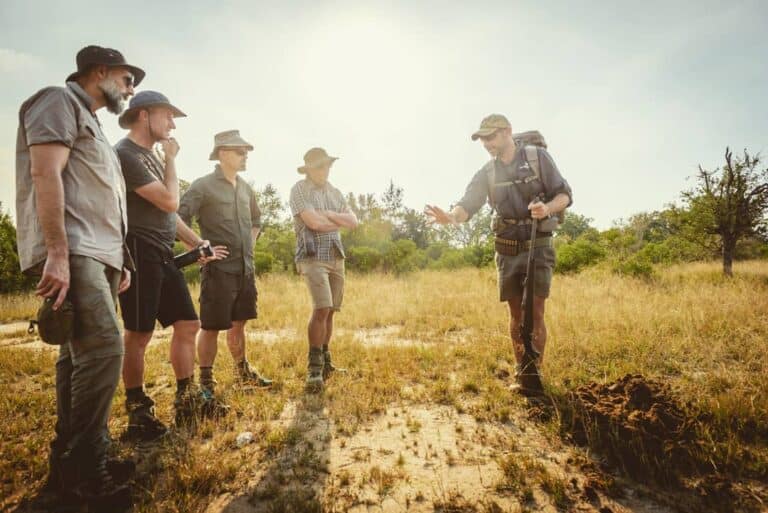
I’ve been a trail’s guide since 2004. So that takes it to 18 years, of which I started off with day walks and then went on to multiday trails in 2006.
I’ve been doing trails my entire career. I’ve never done any lodge based work, which I think is quite unique and with all due respect, I wouldn’t have it any other way.
Q: What made you want to become a guide?
Really it was by default. I ended up studying more towards environmental management and furthered into the sciences, but I struggled to find work in the field and the next best thing for me to be able to stay in the bush and spend a lot of time outside was to become a trails guide.
So a little bit of a default, but considering what’s happened in the environmental management space with regards to the poaching problem – that field’s changed more into a security role as opposed to a diverse environmental management role. So I’m quite happy that I didn’t end up in a security role and can still enjoy a full moon rising on trail…
Q: How many trails do you do on average a year? (COVID aside!)
It’s difficult to say exactly how many primitive trails I do, because I also do a lot of training courses and we spend multiple days out in the field.
I think the best representation would be if we go according to the walking hours that we log as trails guides. And the most I’ve ever done is 1400 walking hours in one year. I would say on average, covid aside, I probably do just over 1000, maybe 1100 to 1200 walking hours per year.
Q: Which is your favourite trail in SA/in the world?
To be fair, I have done very few trails outside of the lowveld/ greater Kruger National Park area, so I don’t really have much to compare it to. But I would have to say that of the trails that I have conducted within this area – I favour the ones further north. So my favourites would be trails north of the Olifants River essentially, and north of the Shingwedzi River, even better!
The main reason is a greater sense of wildness, remoteness, a lot of space, a lot less disturbance from infrastructure and other human activity. So really, if you have to ask me, which is my favourite area to trail in, it would have to include sandstone ridges, mopani thickets and a very wild atmosphere.
Q. What has been your most scary/exciting encounter with an animal on trail?
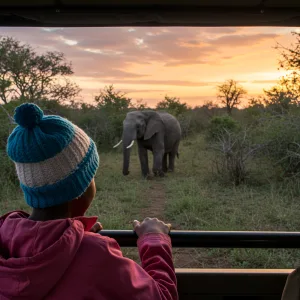
A memory that stands out is sitting on the banks of the Letaba River, enjoying a late afternoon coffee, watching the sunset with some hippos grazing in front of us. A leopard appeared, stalking and repeatedly attacking a hippo calf while the mother was trying to defend it from the attack.
That was quite outstanding, I think. Something never to be repeated again, phenomenal.
Q: Tell us how you eat on trail
This has changed a lot over the years. I used to start off with, you know, the normal sort of noodles and pastas. That eventually went on to soya mince, which eventually led to things like wraps. Wraps with humous sun-dried, tomatoes, that type of thing. Then I also made it onto couscous. So that was it really. Yeah.
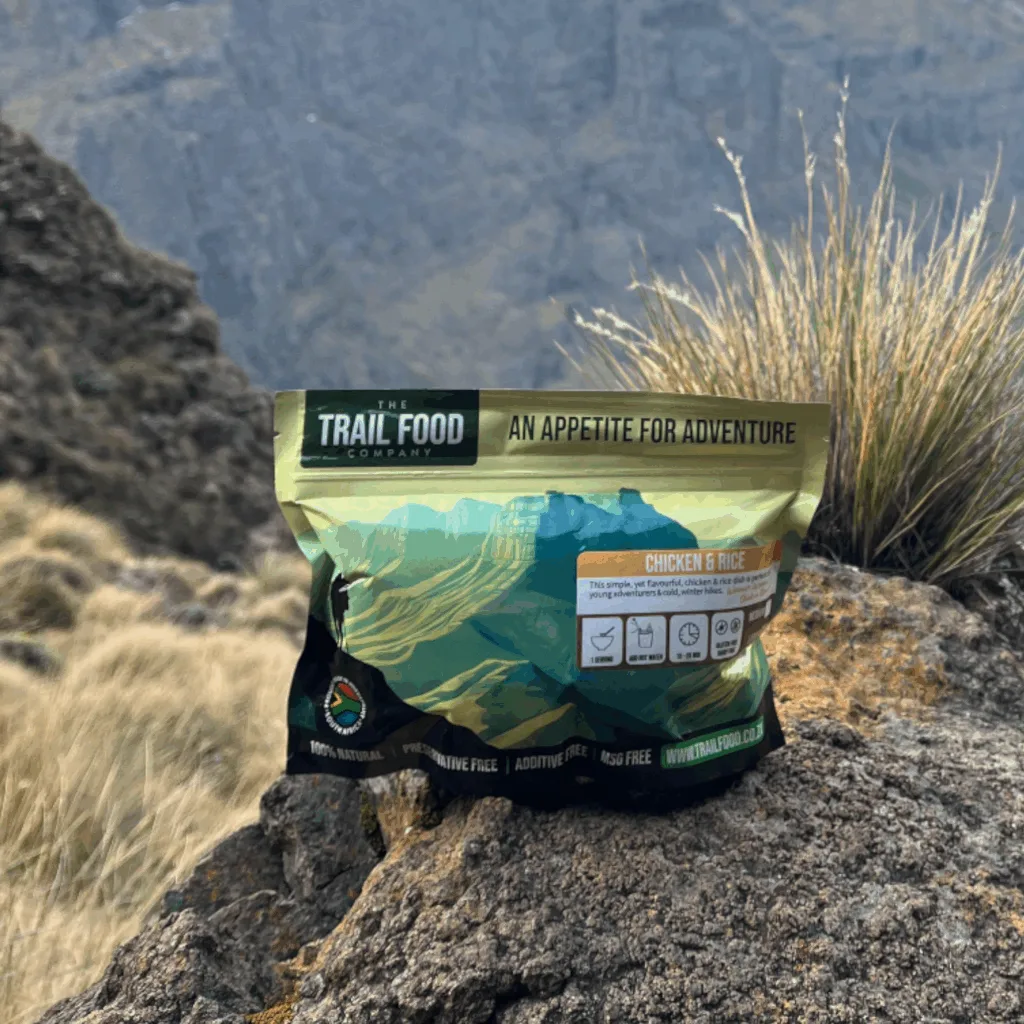
Let’s just say that when the Trail Food company arrived, it basically changed my life in terms of eating on trail. It was such a welcome change and I’m so grateful, forever grateful for the Trail Food Company.
Q: Which is your favourite trail food meal?
Yes, I do, so they’re very tasty all of them, but I think at this point in time, my favourite meal would be the Chilli Con Carne.
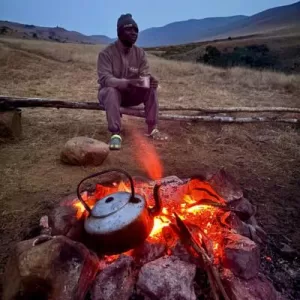
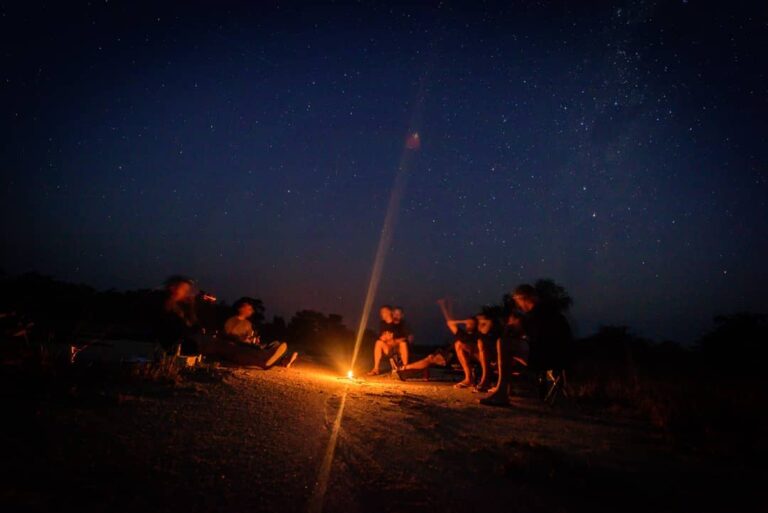
It’s a good portion, good flavour and just really tasty and there’s nothing better than eating that around a campfire, along with a couple of good stories. So Chilli con carne for the win!



 Main Meals

 Main Meals